

Untreated TMJ Disorders in Knoxville, TN
What Happens When TMJ Symptoms Go Untreated
Jaw pain that comes and goes. A clicking sound when you chew. A dull headache that shows up most afternoons. It’s easy to explain these away—stress, a bad night’s sleep, too much coffee. But when these are untreated TMJ symptoms, waiting rarely makes them better. It gives them time to get worse.
If you’ve been searching for a dentist near you who treats TMJ or looking for a TMJ dentist in Knoxville who can finally explain what’s going on with your jaw, Dr. Niral Patel and the team at Fountain City Smiles can help. We treat patients from Knoxville, West Knoxville, Amherst, and Marble City, and we’d rather catch a TMJ problem early than watch a patient live with it for years. Call (865) 687-8670 to schedule a consultation.
What Is TMJ (TMD), and Why Shouldn’t You Ignore the Symptoms?
TMJ, short for the temporomandibular joint, is the hinge connecting your jawbone to your skull—one on each side of your face, just in front of your ears. When something throws that joint off, whether it’s inflammation, a misaligned bite, muscle tension, or wear on the joint’s cushioning disc, dentists call the result TMD (temporomandibular disorder), though most people just call the whole thing “TMJ.”
The tricky part is how ordinary early symptoms feel. A little clicking when you open wide. Occasional soreness after a stressful week. Because your jaw is working almost constantly, such as talking, chewing, and even resting your teeth together while you sleep, a small dysfunction doesn’t stay small. It gets used, over and over, thousands of times a day. That repetition is exactly why untreated TMJ symptoms tend to escalate rather than resolve on their own.
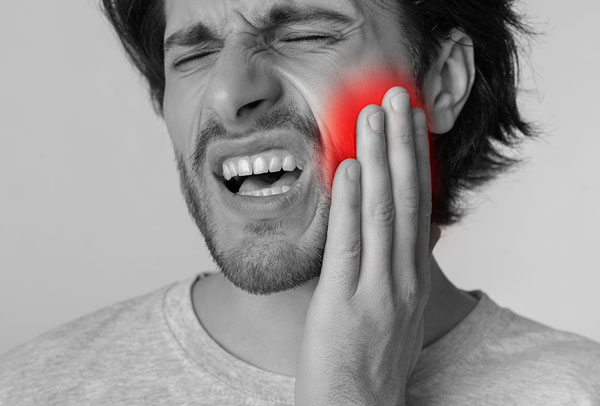
Six Consequences of Leaving TMJ Symptoms Untreated
1. Escalating Chronic Jaw Pain and Facial Pain
Occasional jaw soreness is often the first sign patients dismiss as stress or tiredness. Left alone, that ache tends to spread into the cheeks, temples, and along the jawline and shows up more often instead of less. Some patients notice they’ve started avoiding chewy foods or long conversations, without quite realizing why, because their jaw simply hurts too much to push through it.
2. Progressive Joint Damage and Jaw Stiffness
The small disc that cushions your jaw joint isn’t built to absorb ongoing strain indefinitely. Over time, untreated dysfunction can wear it down, leading to:
- Reduced range of motion when opening your mouth
- Morning jaw stiffness that takes a while to loosen up
- A jaw that occasionally catches, locks, or shifts unevenly
- Muscle development that looks noticeably uneven from one side of the face to the other
Once the joint itself has sustained damage, getting back to normal function usually takes more than the conservative treatments that would have worked in the earlier stages.
3. Tooth Wear, Cracked Teeth, and Tooth Loss
TMJ dysfunction and bruxism (teeth grinding or clenching) tend to travel together, and the wear adds up on your teeth long before most patients notice it in the mirror. Left untreated, this pressure can cause:
- Flattened, thinned enamel
- Chipped or fractured teeth
- Heightened sensitivity to hot and cold
- In advanced cases, tooth loss that requires restorative treatment
Many patients are surprised to learn their cracked molar or sudden tooth sensitivity traces back to nighttime clenching from an undiagnosed TMJ problem and not a cavity.
4. More Complex, More Costly Treatment Over Time
Here’s the part that catches a lot of patients off guard: TMJ treatment gets more involved the longer you wait. A jaw that could have been managed with a night guard and a few physical therapy sessions two years ago may need oral appliance therapy, injections, or a more advanced intervention today.
And if teeth have already been lost or badly damaged from grinding, restoring them may involve treatments like dental implants rather than a simple filling. Early treatment isn’t just more comfortable; it’s usually the more affordable path, too.
5. Mental Health Impact and Difficulty Concentrating
Living with pain that never fully goes away wears on more than your jaw. Patients dealing with untreated TMJ symptoms often report:
- Trouble concentrating at work or school
- Rising anxiety around eating out or talking for long stretches
- Withdrawing socially to avoid situations that aggravate the pain
- A general sense that daily life has gotten smaller
None of this shows up on an X-ray, but it’s one of the most real costs of letting TMJ symptoms go unaddressed.
6. Chronic Headaches, Tension Headaches, and Migraines
Because your jaw muscles connect directly to the muscles along your temples and scalp, TMJ dysfunction is a frequent and frequently missed cause of head pain. Patients are often treated for migraines or tension headaches for months before anyone connects the dots back to their jaw. Left untreated, this can mean:
- Daily or near-daily tension headaches
- Migraines that don’t respond well to standard medication
- Pain that radiates into the neck and shoulders
7. Tinnitus and Hearing Problems
Because the temporomandibular joint sits directly in front of your ear canal, dysfunction there can affect nearby nerves and structures. Untreated TMJ has been linked to tinnitus (ringing in the ears), a feeling of ear fullness or pressure, and in some cases, balance issues. These symptoms are easy to mistake for an ear infection or hearing problem, which means patients sometimes see an ENT before anyone considers their jaw as the source.

TMJ Treatment Options in Knoxville
The good news is that most TMJ symptoms respond well to treatment, and most patients never need surgery. At Fountain City Smiles, TMJ disorder treatment is built around your specific symptoms and how far they’ve progressed.
Conservative treatment approaches:
- Oral appliance therapy (custom night guards or splints that reduce clenching and reposition the jaw)
- Physical therapy for the jaw muscles and surrounding tissue
- Prescription medication for pain and muscle relaxation
- Stress management and behavioral strategies
- Dietary adjustments while the jaw heals
Advanced treatment options, used when conservative care isn’t enough on its own:
- Botox injections to relax overactive jaw muscles
- Dry needling therapy
- Joint injections
- Minimally invasive procedures
Surgery is reserved for a small percentage of severe cases where these options haven’t provided relief. Most patients never reach that point, especially when TMJ therapy starts early.
Finding a Dentist in Knoxville Who Treats TMJ
Not every general dentist offers TMJ treatment, so it’s worth asking directly whether a practice diagnoses and treats TMD before you book. A dentist in Knoxville who regularly treats TMJ should be able to:
- Walk you through a full diagnostic evaluation, not just a quick look
- Explain which of your symptoms connect to your jaw and which don’t
- Offer more than one treatment path, from conservative to advanced
- Coordinate with your broader dental care, since TMJ, bruxism, and tooth wear are often connected
If you’re comparing dentists that treat TMJ near you, local experience matters, too. A dentist familiar with Knoxville, West Knoxville, Amherst, and Marble City patients can offer easier scheduling for the multiple visits TMJ treatment sometimes involves.
Frequently Asked Questions
Usually, yes. TMD tends to progress rather than resolve on its own, and waiting typically means more limited treatment and a longer road to relief. Addressing symptoms early gives you access to more conservative options.
Surgery is reserved for severe cases that haven’t responded to nonsurgical treatment. The large majority of TMJ patients find relief through conservative or advanced non-surgical care first.
Look for a dentist who offers a full diagnostic evaluation, explains multiple treatment options, and has real experience treating TMD, not just occasional cases. Ask directly about their approach before booking.
Coverage varies by plan and by treatment type. Some conservative treatments, like oral appliances, are partially covered under certain plans, while others fall under medical rather than dental insurance. Our team can help you check your specific benefits before you commit to a treatment plan.
Cost depends on how advanced your symptoms are and which treatment path fits your case. Conservative care is typically less costly than advanced interventions. Visit our TMJ treatment cost page for a fuller breakdown, or ask about pricing during your consultation.
Don’t Wait on TMJ Symptoms. Schedule Your Evaluation!
The earlier TMJ symptoms are diagnosed, the more treatment options stay on the table and the less they tend to cost, in both money and quality of life. If jaw pain, headaches, or clicking have become part of your routine, it’s worth finding out why. Call our Knoxville dental office at (865) 687-8670 to schedule your TMJ evaluation with Dr. Niral Patel. We proudly serve patients throughout Knoxville, West Knoxville, Amherst, and Marble City.