

TMJ Disorder in Knoxville, TN
Experiencing Jaw Pain? Find a TMJ Dentist Near You in Knoxville
Are chronic jaw pain, facial soreness, or trouble opening your mouth getting in the way of eating, speaking, or sleeping? You’re not alone. According to the National Institute of Dental and Craniofacial Research (NIDCR), temporomandibular joint and muscle disorders (TMD) affect roughly 5–10% of U.S. adults, more than 10 million people, and are at least twice as common in women as in men.
If you’ve been searching for a TMJ dentist in Knoxville, TN, our team at Fountain City Smiles specializes in diagnosing and treating temporomandibular joint dysfunction. We don’t just mask jaw pain; we look for what’s causing it, then build a treatment plan around your specific case.
Ready to find relief? Call (865) 687-8670 to schedule an appointment, or keep reading to learn more about TMD, its symptoms, and your treatment options.
Why Choose Fountain City Smiles for TMJ Treatment
Dr. Patel and our team take a whole-picture approach to TMJ disorder—treating the underlying cause, not just the symptoms. Here’s what that looks like in practice:
- A thorough diagnostic exam using current dental technology, not guesswork
- Treatment plans built around your bite, lifestyle, and stress patterns
- A full range of options, from conservative therapy to referrals for advanced procedures
- A convenient Knoxville location serving Fountain City, West Knoxville, and the surrounding area
- Flexible scheduling and insurance coordination to make care accessible
Call (865) 687-8670 to schedule an appointment and talk through what you’re experiencing.
What Is TMJ Disorder (TMD)?
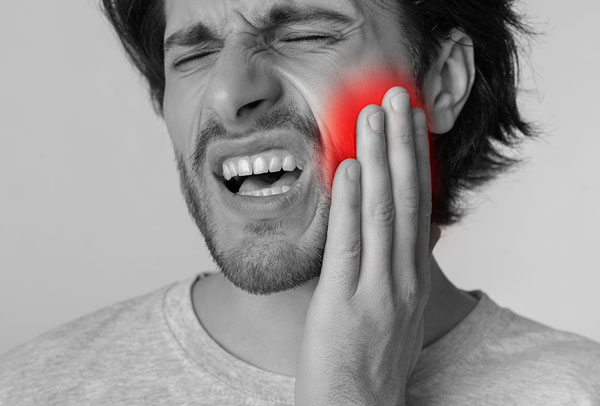
The temporomandibular joint (TMJ) connects your lower jaw to your skull and is one of the most complex joints in the body—it slides and rotates every time you chew, speak, or yawn. When something goes wrong with the joint itself or the muscles that move it, the result is temporomandibular disorder, usually just called TMD or TMJ disorder.
TMD isn’t one single condition; it’s an umbrella term for a group of concerns affecting the jaw joint and the muscles that control jaw movement. Left unaddressed, it can turn everyday moments, such as dinner out, a long conversation, and a good night’s sleep, into something uncomfortable.
Myofascial Pain Disorder and Bruxism: The Most Common Cause of TMJ Pain
The type of TMD we see most often in our Knoxville patients is myofascial pain disorder, which affects the jaw muscles and the soft tissue surrounding the joint rather than the joint structure itself.
Myofascial pain is closely tied to bruxism, chronic teeth grinding or jaw clenching, often driven by stress or an uneven bite (malocclusion). It’s one of the most common things we treat, especially among patients balancing demanding jobs and family schedules.
The good news: because it’s a muscle and habit issue rather than joint damage, myofascial pain disorder generally responds well to the conservative treatments outlined below.
Recognizing TMJ Symptoms
TMJ symptoms vary from patient to patient, but the most common signs include:
Primary symptoms:
- Chronic jaw or facial pain
- Clicking or popping when opening your mouth
- Jaw stiffness, especially first thing in the morning
- Pain or difficulty chewing
- Ear pain or ringing (often mistaken for an ear infection)
- Frequent headaches or neck pain
- Jaw locking or limited mouth opening
Secondary symptoms:
- Tooth sensitivity from grinding
- Facial swelling on one side
- A bite that suddenly feels “off”
- Tension in the neck and shoulders
If any of this sounds familiar, don’t wait it out. Call (865) 687-8670 for an evaluation with our Knoxville TMJ dentist.
What Causes TMJ Disorders?
The exact cause of TMJ disorders isn’t always a single event; it’s usually a mix of factors:
Direct causes:
- Jaw injury from an accident or sports
- Bruxism (teeth grinding or clenching)
- Arthritis affecting the jaw joint
- Displacement of the joint’s cushioning disc
- Malocclusion (a misaligned bite)
Risk factors:
- Chronic stress
- Poor posture from desk work or phone use
- Nail biting or gum chewing
- Being female—women are diagnosed at roughly twice the rate of men
- Being between 20 and 40 years old, when TMD is most commonly diagnosed
- A genetic predisposition to joint or connective tissue issues
Comprehensive TMJ Diagnosis in Knoxville
Getting the right diagnosis matters, because the right treatment depends on knowing exactly what’s going on in the joint. Our process includes:
- Initial assessment: A review of your medical and dental history, a hands-on exam of the jaw joint and muscles, and an evaluation of how your jaw moves and how your teeth meet.
- Advanced diagnostics: Digital X-rays to visualize the joint structure, MRI imaging when needed, and bite analysis to check for malocclusion or muscle tension.
A thorough diagnosis early on helps prevent untreated TMJ disorder from progressing into something more disruptive.
Effective TMJ Treatment Options
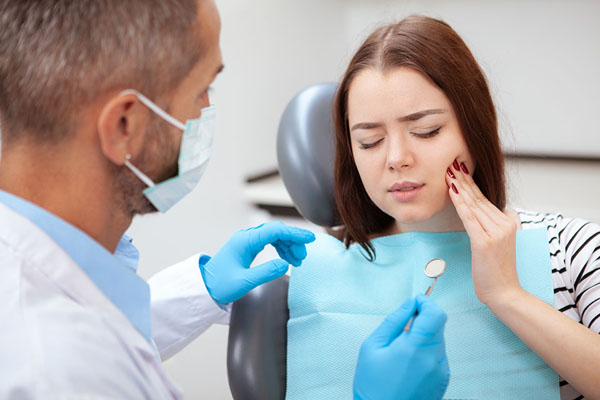
Treatment for TMJ disorders depends on the severity and underlying cause. Most patients start with conservative therapy before anything more involved is considered. TMJ treatment costs vary accordingly, and we’ll walk you through pricing before any plan begins.
Conservative Treatments
Lifestyle Changes:
- Sticking to softer foods to reduce strain on the joint
- Heat or cold therapy for pain relief
- Stress-reduction techniques
- Cutting back on gum chewing and nail biting
In-Office and At-Home Care:
- Custom nightguards to prevent nighttime grinding and protect the joint
- Oral splints to correct jaw alignment
- Physical therapy to strengthen and stretch the jaw muscles
- TENS (transcutaneous electrical nerve stimulation) for muscle-related pain
Medication:
- NSAIDs for pain and inflammation
- Muscle relaxants for muscle tension
- Prescription pain management for chronic cases
Advanced Treatments
When conservative care isn’t enough, we can recommend or refer you for:
Minimally Invasive Options:
- Botulinum toxin injections to relax overactive jaw muscles
- Corticosteroid injections to reduce joint inflammation
- TMJ arthroscopy for diagnosis and treatment
Surgical Options (referral basis, for severe cases):
- Open joint surgery
- Joint replacement surgery
- Procedures to address scar tissue
What’s New in TMJ Research
TMD research has picked up significantly in the past year. NIH and NIDCR launched the TMD IMPACT Initiative in 2026—the largest federally funded research effort focused specifically on temporomandibular disorders, following a five-year, multi-site study aimed at standardizing diagnosis and developing more personalized treatment protocols. As that research matures, we expect diagnostic tools and treatment options for TMD patients to keep improving—and we stay current on it so our patients benefit.
How to Prevent TMJ Disorders
Not every case of TMD is preventable, but these habits can lower your risk:
Daily Habits:
- Practice good posture, especially at a desk or on your phone
- Manage stress through exercise, meditation, or counseling
- Skip hard, crunchy foods that strain the jaw
- Stop nail biting and excessive gum chewing
- Notice when you’re clenching your jaw during stressful moments
Preventive Dental Care:
- Regular checkups to monitor your bite alignment
- A custom nightguard if you grind your teeth
- Prompt treatment of dental issues before they affect your bite

Living With TMJ
Managing TMD is usually about addressing both the physical symptoms and the stress that feeds them. That can include:
Behavioral Strategies:
- Recognizing what triggers jaw clenching
- Building healthier stress-management habits
- Mindfulness or relaxation techniques
Physical Care:
- Gentle jaw and neck stretches
- Ongoing physical therapy as needed
- Heat therapy
- Sleep positioning that reduces morning jaw stiffness
Frequently Asked Questions
Yes, though it’s less common than in adults. Jaw injuries from sports, thumb sucking, and misaligned teeth (malocclusion) are common causes in kids. Early evaluation by a dentist near you matters—catching it young tends to make treatment simpler.
It depends on severity. Conservative treatment (night guards, physical therapy, and lifestyle changes) often brings improvement within two to six weeks. More involved treatment plans can run three to six months, and surgical cases may need a longer recovery.
Schedule Your TMJ Consultation in Knoxville Today
Jaw pain doesn’t have to be something you just live with. Whether you’re noticing your first symptoms or have been dealing with TMD for a while, our team can build a plan around what’s actually causing it. Call Fountain City Smiles at (865) 687-8670 to schedule an appointment with our dentist in Knoxville, or reach out through our online contact form. We’re proud to treat patients from Knoxville, West Knoxville, and the surrounding East Tennessee area.