

Myofascial Pain Disorder Treatment in Knoxville, TN
Find Real Relief From Jaw, Face, and Neck Pain
If your jaw aches by mid-afternoon, your headaches keep coming back, or your neck feels perpetually tight, you’re not imagining it, and you’re not alone. Myofascial pain disorder (also called myofascial pain syndrome) is one of the most common pain disorders behind chronic jaw, face, and neck discomfort, and it affects a large share of the patients we see here in Knoxville.
The good news is that it’s also one of the more treatable forms of TMD (temporomandibular disorder) once it’s correctly diagnosed. Our Knoxville dentist works with patients from Fountain City, Amherst, Marble City, and West Knoxville to identify exactly what’s driving their pain and build a treatment program around it, not a one-size-fits-all mouthguard and a shrug.
Ready to talk to a dentist near you who actually specializes in this? Call (865) 687-8670 to schedule a consultation.
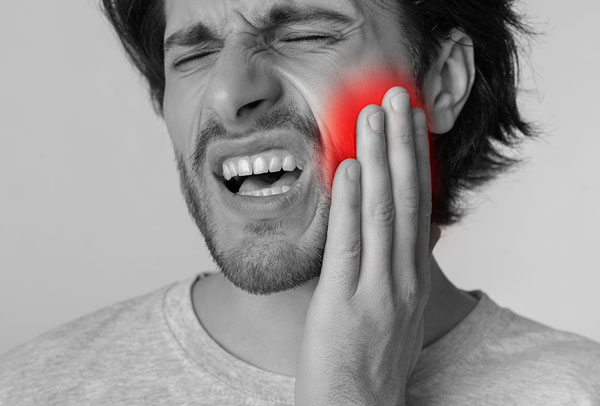
What Is Myofascial Pain Disorder?
Myofascial pain disorder is a chronic pain condition rooted in the muscles and fascia, the thin connective tissue that wraps around and separates your muscle groups, rather than in the jaw joint itself. That distinction matters. Other forms of TMD involve the actual temporomandibular joint (think disc problems, arthritis, or joint degeneration). Myofascial pain disorder, by contrast, develops in the muscles of the jaw, face, neck, and shoulders, where it creates small, hyperirritable knots called trigger points.
Press on one of these trigger points and you’ll often feel pain somewhere else entirely. Your jaw muscle refers pain to your temple, for instance, which is why so many patients end up treating “just headaches” for months before anyone connects the dots back to their jaw.
Trigger Points: The Root of the Pain
Trigger points come in two forms:
- Active Trigger Points: These hurt on their own, continuously, and reliably refer pain to a predictable location. An active trigger point in the masseter (your main jaw-closing muscle) commonly sends pain up into the temple, which is why myofascial pain disorder is so often mistaken for tension headaches or migraines.
- Latent Trigger Points: These sit quietly until something wakes them up: emotional stress, muscle overuse, poor sleep, or clenching. Left alone, they can also spawn secondary trigger points in neighboring muscles as your body compensates.
Signs You May Have Myofascial Pain Disorder
Myofascial pain disorder tends to show up as a cluster of symptoms rather than one clean complaint, which is part of why it’s so often missed:
- Chronic, deep muscle pain in the jaw, face, neck, or shoulders
- Referred pain, such as headaches, migraines, or neck pain that seems to travel from the jaw
- Muscle stiffness, tightness, or a “locked” feeling when opening your mouth wide
- Clicking, popping, or a limited range of motion in the jaw
- Pain that worsens with stress, chewing, or talking for long periods
This is only the myofascial-specific piece of the picture. If you’re weighing whether your symptoms point to this condition versus another form of TMJ disorder, our full breakdown on the TMJ symptoms page covers the broader symptom picture across all types of TMD.
If any of this sounds familiar, don’t wait it out. Call our Knoxville TMJ dentist at (865) 687-8670.
What Causes Myofascial Pain Disorder?
Myofascial pain disorder is rarely caused by one single thing—it’s usually a combination of physical strain and lifestyle factors compounding over time:
- Teeth clenching or grinding (bruxism)
- Muscle overuse from repetitive jaw movement
- Poor posture, especially from desk work
- Emotional or psychological stress
- Poor sleep, which limits muscle recovery
It’s worth noting that myofascial pain disorder is distinct from joint-based conditions like osteoarthritis of the TMJ. Osteoarthritis involves degeneration of the joint itself, while myofascial pain disorder centers entirely on the surrounding muscle and fascia. That’s why an accurate diagnosis matters before starting treatment; the two conditions can feel similar but respond to very different approaches. For a deeper look at joint-related causes, visit our TMJ causes page.
Myofascial Pain Disorder Treatment Options in Knoxville
We treat the muscle, not just the symptom. Depending on your evaluation, your treatment program may include:
- Myofascial Release and Massage Therapy: Hands-on techniques that target trigger points directly, releasing tight muscle bands and improving blood flow to the affected area. Many patients feel a noticeable difference after just a few sessions.
- Physical Therapy Referral: For patients who need a more structured approach, we coordinate with physical therapy services in the Knoxville area to build a stretching and strengthening program that addresses posture and muscle imbalance long-term.
- Trigger Point Injections: When a trigger point isn’t responding to conservative care, targeted injections can interrupt the pain cycle and provide fast relief.
- Custom Oral Appliances: If clenching or grinding is a contributing factor, a custom-fitted nightguard reduces the strain on your jaw muscles while you sleep.
- Muscle Relaxants and Anti-Inflammatories: Used short-term, when appropriate, to calm an acute flare-up while other therapies take effect.
- Ultrasound Therapy: A non-invasive option that uses sound waves to encourage healing and reduce inflammation in the muscle tissue.
- Stress and Relaxation Coaching: Since stress is one of the most common triggers for muscle tension, we build simple, sustainable relaxation strategies into your plan.

Why Choose Fountain City Smiles as Your Knoxville Dentist
Plenty of dental offices will hand you a mouthguard and call it a day. We take a different approach. As your dentist in Knoxville, we start with a thorough exam that maps your specific trigger points, rules out joint-related TMD, and builds a plan around your actual lifestyle.
Patients throughout Knoxville, Fountain City, Amherst, Marble City, and West Knoxville come to us because we:
- Perform a full physical exam to locate every active and latent trigger point
- Use diagnostic tools to distinguish myofascial pain from joint-based TMD
- Build a personalized treatment program, not a one-size-fits-all fix
- Monitor your progress and adjust the plan as your symptoms change
- Educate you on managing flare-ups long after you leave our office
Frequently Asked Questions
Our Knoxville TMJ dentist performs a physical exam, reviews your medical history, and maps your trigger points by hand. Some patients also need imaging (X-rays, CT, or MRI) or EMG testing to rule out joint-related causes before we finalize a treatment plan.
Myofascial pain disorder involves trigger points in the muscle and fascia, while other TMJ disorders involve the joint itself—disc displacement, degeneration, or arthritis. An accurate diagnosis is the difference between a treatment plan that works and one that just masks the pain for a while.
Not always, but good posture, stress management, healthy sleep habits, and avoiding clenching all reduce your risk significantly. If you already grind your teeth at night, a custom nightguard is one of the most effective preventive steps available.
Coverage depends on your specific plan and which treatments you need. Some dental insurance plans cover diagnostic exams and oral appliances, while medical insurance sometimes covers physical therapy or injections. Our team can help verify your benefits before you commit to a treatment plan; give us a call, and we’ll walk you through it.
Most patients start with a dentist familiar with TMD, since the exam determines whether the cause is muscular, joint-related, or both, and that determines everything downstream. If physical therapy is part of the right plan, we’ll coordinate that referral for you directly.
It varies by severity, but many patients notice relief within a few weeks of starting a combined approach (massage or myofascial release plus a nightguard, for example). Chronic or long-standing cases may take longer, which is why we monitor and adjust your program along the way.
Take Control of Your Pain, Schedule Your Appointment Today!
Myofascial pain disorder doesn’t have to run your life. Whether it’s showing up as jaw pain, tension headaches, migraines, or a neck that never quite loosens up, our Knoxville team is ready to help you get to the root of it. Call (865) 687-8670 to schedule your appointment with a TMJ dentist near you who treats the muscle, not just the mouthguard. We proudly serve patients in Knoxville, Fountain City, Amherst, Marble City, West Knoxville, and the surrounding areas.