

TMJ and Bruxism Treatment in Knoxville, TN
Understanding the Link Between Teeth Grinding and Jaw Pain
If you’re waking up with a sore jaw, tension headaches, or a dull ache in your temples, you might be dealing with bruxism, and it could be doing more damage than you realize. Bruxism (teeth grinding and clenching) is one of the most common hidden causes of TMJ disorder, or TMD, and the two conditions feed into each other in ways most patients never connect until a dentist points it out. At Fountain City Smiles, we treat both together with custom night guards, restorative care, and a plan built around how your jaw actually functions, not just the symptom in front of us.
Ready for relief? Request an appointment with our Knoxville dental team, or call (865) 687-8670 to get started. We’re proud to be a dentist near you for patients throughout Knoxville, Maryville, West Knoxville, Amherst, Marble City, and the rest of Knox County.
What Is Bruxism, and What Causes It?
Bruxism is the involuntary grinding, clenching, or gnashing of teeth, and it shows up in two distinct patterns:
- Sleep bruxism happens unconsciously overnight and is often tied to poor sleep quality or sleep-related breathing issues. Most people with sleep bruxism have no idea they’re doing it until a partner mentions the grinding sounds or a dentist spots the wear on their teeth.
- Awake bruxism happens during the day, usually from stress or intense concentration, and shows up as jaw clenching rather than full-on grinding.
Common risk factors include:
- Chronic stress and anxiety
- Poor sleep quality or sleep disruptions
- Alcohol and caffeine, especially close to bedtime
- Certain medications, including some antidepressants and stimulants
- Misaligned teeth or an uneven bite
- Family history of teeth grinding
- Age. Bruxism is especially common in children and young adults, though it affects people at every stage of life.
Common Symptoms of Bruxism and TMD
Catching bruxism early keeps it from turning into full-blown TMD. Watch for:
Physical signs
- Flattened, chipped, or visibly worn teeth
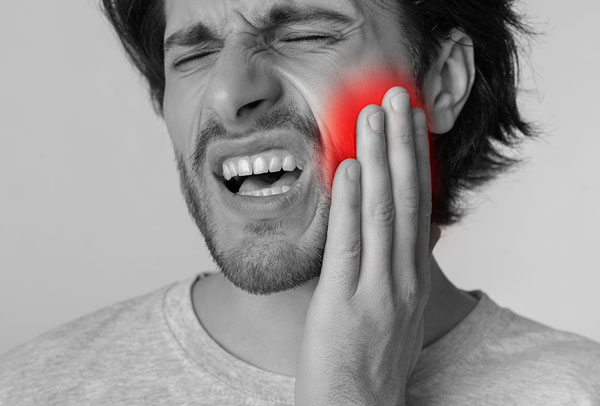
- Jaw pain or facial soreness, especially first thing in the morning
- Headaches centered around the temples
- Ear pain or ringing that doesn’t have another obvious cause
- Tooth sensitivity to hot and cold
- A jaw that clicks, pops, or feels tight when you open wide
Sleep-related signs
- Grinding sounds loud enough to wake a partner
- Waking up with a stiff, sore jaw
- Trouble getting deep, restful sleep
- Morning headaches that fade as the day goes on
If any of this sounds familiar, it’s worth a conversation with a dentist in Knoxville who actually looks for the connection between your teeth and your jaw joint, rather than treating each symptom on its own. Call (865) 687-8670 to schedule a consultation with Dr. Niral Patel.
How Teeth Grinding Leads to TMJ Disorder
Your temporomandibular joints, the hinges connecting your jaw to your skull, aren’t built to handle grinding forces. Research shows clenching and grinding can place up to 10 times more pressure on these joints than normal chewing does. Over time, that pressure adds up:
- Joint strain and inflammation develop as the cartilage and surrounding tissue take on repeated impact
- Muscle overload in the masseter and temporalis muscles causes chronic tension, spasms, and a jaw that feels increasingly hard to open all the way
- Bite changes occur as worn or shifting teeth alter how your upper and lower teeth meet, which can throw off your bite pressure and make the joint problem worse
This is why bruxism and TMD are rarely two separate issues—they’re usually one problem showing up in two places.

Effective Treatment Options for Bruxism and TMJ Disorder
Treatment depends on how far things have progressed, but most patients start seeing relief with conservative, non-invasive care.
- Night guards and custom mouth guards: A custom-fitted night guard is still the most reliable first-line treatment for sleep bruxism. It cushions your teeth, reduces the force reaching your jaw joint, and gives your muscles a chance to relax overnight. For daytime clenching, we can fit a mouth guard designed for daytime wear. Beyond protecting your teeth, patients often notice their night guard also cuts down on grinding-related snoring, since it keeps the jaw in a more relaxed, stable position.
- Physical therapy and lifestyle support: For patients with ongoing muscle tension, we refer out to physical therapy for targeted jaw exercises and manual therapy, alongside stress-management strategies that address bruxism at the source rather than just the symptoms.
- Restorative dental care: When grinding has already caused damage, we repair it with dental crowns for severely worn teeth, or dental bonding and porcelain veneers for minor chips and wear. Bite adjustments can also help redistribute pressure evenly across your teeth.
Preventing Bruxism and TMJ Pain in Knoxville & Maryville, TN
A few consistent habits go a long way toward protecting your jaw:
- Manage stress with regular exercise, relaxation techniques, or whatever actually works for your schedule.
- Protect your sleep with a consistent bedtime routine and a sleep-friendly environment.
- Cut back on alcohol and caffeine, especially in the evening.
- Get ahead of it early. Mild bruxism is far easier to manage than TMD that’s already set in.
Whether you’re coming from Knoxville, Maryville, or anywhere in between, we also recommend regular dental checkups and professional cleanings so we can catch early wear patterns before they turn into joint pain.
Why Fountain City Smiles Is Your Trusted Dentist in Knoxville
Most patients come to us after being treated for jaw pain and teeth grinding as two unrelated problems. We look at the whole picture:
- A thorough evaluation to pinpoint what’s actually driving your symptoms
- A personalized treatment plan, not a one-size-fits-all night guard
- Careful attention to how your bite, muscles, and joint work together
- Follow-up care to make sure your treatment is actually working, not just masking symptoms
If you’ve been searching for a dentist near you who treats bruxism and TMJ disorder as connected conditions, we’d like to help.
Frequently Asked Questions
If you’re dealing with jaw pain, frequent headaches, trouble chewing, or grinding sounds at night, it’s worth getting evaluated. We can assess your symptoms and walk you through your options.
A night guard won’t stop the underlying urge to grind, but it protects your teeth from the damage and reduces the pressure reaching your jaw joint—which is often enough to break the cycle of pain.
Coverage varies by plan. Our team can check your specific insurance benefits and walk you through costs before you commit to treatment.
There’s no universal cure, but most patients see significant, lasting relief with the right combination of treatment and prevention.
Ready for Relief? Request Your Appointment in Knoxville Today
Jaw pain and teeth grinding don’t have to be something you just live with. Because bruxism and TMJ disorder are so closely connected, treating one often resolves the other. Request an appointment with our Knoxville dental team, or call (865) 687-8670. We welcome patients from Knoxville, West Knoxville, Maryville, Amherst, Marble City, and the surrounding Knox County communities.