


Hearing Clicks and Pops When You Open Your Mouth? Here’s What They Really Mean
You bite into a sandwich, yawn during a morning meeting, or open wide at the dentist, and your jaw clicks or pops. Some people barely notice it. Others start to wonder whether something is wrong. The good news is that a clicking jaw is not always a problem. The less comfortable news is that it can sometimes be an early sign of a temporomandibular disorder (TMD), which is why it helps to know how to tell the difference.
At Fountain City Smiles, Dr. Niral Patel, a dentist in Knoxville, TN, regularly helps patients distinguish harmless jaw noises from symptoms that warrant attention. This guide explains what is happening inside your jaw joint, what is typically normal, what warning signs to watch for, and when to see a TMJ dentist in Knoxville.
Ready to find jaw pain relief? Contact our Knoxville dental practice at (865) 687-8670 to schedule your dental appointment.
What Happens Inside Your Jaw When It Clicks?
Your temporomandibular joints (TMJ) sit on each side of your face, just in front of your ears. They connect your lower jaw to your skull and work like a sliding hinge, letting you chew, talk, yawn, and swallow all day long. Inside each joint, a small cushion of cartilage called the articular disc sits between the jawbone and the skull. It keeps the movement smooth and absorbs pressure.
A click or pop usually happens when something in that system moves slightly out of sync. The disc may shift position as your mouth opens, the joint may slide over a rough spot, or the surrounding muscles may be tight enough to change how the jaw glides. The sound is often the only symptom, and no pain or limited movement comes with it.
A quick note on terms: people often say “TMJ” to describe a problem, but TMJ technically refers to the joint itself. The disorders that affect the joint and the chewing muscles are called temporomandibular disorders, or TMD. Your dentist may use either term.
So, Is Jaw Clicking Normal?
Often, yes. National Academies research reports that sounds in the jaw joint and a slight deviation when opening the mouth show up in roughly half of the population, and these findings are generally considered normal and don’t require treatment (National Academies of Sciences, Engineering, and Medicine).
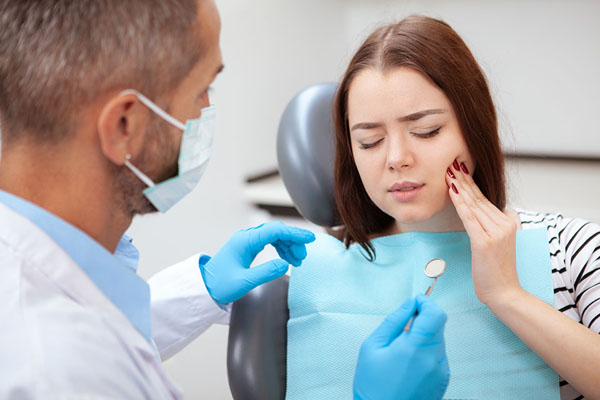
A painless click that comes and goes, doesn’t change how you eat or speak, and doesn’t get worse over time is usually not a cause for concern. The situation changes when the noise comes with other symptoms or starts to affect your daily life.
| Usually Normal | Worth a Visit to a TMJ Dentist |
| Occasional painless click or pop | Clicking along with jaw pain or tenderness |
| No change in how you chew or talk | Jaw that catches, locks, or won’t open fully |
| Sound doesn’t get louder or more frequent | Noises that are getting worse over time |
| No headaches or facial tension | Frequent headaches, earaches, or neck and shoulder pain |
| Teeth look and feel normal | Worn, chipped, or sensitive teeth, or a bite that feels “off” |
Why Visit Fountain City Smiles for a TMJ Evaluation?
Choosing a TMJ dentist in Knoxville means finding a team that listens, explains what’s happening, and builds a plan around your comfort. Dr. Niral Patel and the Fountain City Smiles team take the time to look at the whole picture, from your bite and teeth to your jaw movement and daily habits. Whether you have occasional clicking or ongoing jaw pain, an early evaluation can help you understand your options and avoid bigger problems down the road.
Our office is conveniently located at 2944 Tazewell Pike #2, Knoxville, TN 37918, and we welcome patients in Dry Gap, Marble City, Dutch Valley, Whispering Hills, and West Knoxville, TN. If you’ve been searching for a TMJ disorder dentist in Knoxville or a jaw pain dentist near you, we’d be glad to help. Visit our TMJ disorder treatment page to learn more about what we offer.
Common Causes of Jaw Clicking and Popping
Jaw noises have several possible causes, and more than one can be at work at once:
- Disc Displacement: The cushioning disc slips slightly out of position and then moves back as the mouth opens or closes. This is a common source of an audible click.
- Teeth Grinding and Clenching (Bruxism): Constant pressure from clenching, especially during sleep or periods of stress, can overwork the jaw muscles and strain the joint.
- Stress and Muscle Tension: Many people carry stress in their jaw, shoulders, and neck without realizing it. Tight muscles can change how the joint moves.
- Bite Misalignment: When the teeth don’t meet evenly, the jaw may shift to compensate, which can stress the joint over time.
- Jaw Injury: A blow to the face, whiplash, or a sports injury can affect how the joint and disc function.
- Habits That Overwork the Jaw: Chewing gum often, biting nails or pen caps, and eating very chewy foods all add repetitive strain.
- Arthritis: Inflammatory joint conditions can affect the jaw just as they affect other joints.
- Posture: Holding your head forward for long stretches, such as at a desk or on a phone, can add tension to the muscles that support the jaw.
Understanding the likely cause matters, because it shapes the treatment plan. To learn more, see our guide to the causes of TMJ disorder.
Warning Signs That Clicking Might Be TMJ Disorder
Pay closer attention if your jaw click comes with any of the following:
- Pain or tenderness in the jaw joint, face, or the muscles you use to chew
- A jaw that locks open or closed, or feels stuck
- Difficulty opening your mouth wide, or a jaw that deviates to one side
- Pain or a feeling of fullness in or around the ears
- Frequent headaches or migraine-like pain, especially around the temples
- Neck and shoulder tightness
- Teeth that are worn flat, chipped, or sensitive without an obvious dental cause
- A bite that suddenly feels different, or teeth that no longer meet comfortably
- Waking up with a sore or tired jaw
Because these symptoms overlap with other conditions, it’s easy to chase the wrong problem for months. You can read more in our overview of TMJ symptoms.
How Common Are TMJ Disorders?
More common than most people think. The National Institute of Dental and Craniofacial Research (NIDCR) estimates that TMJ disorders affect about 5 to 12 percent of the population and rank as the second most common musculoskeletal pain condition, behind chronic low back pain (NIDCR). A recent study found that about 11 to 12 million adults in the United States have pain in the TMJ region, and these disorders are about twice as common in women as in men, especially women between 35 and 44 (NIDCR).
Another notable detail is that only about half to two-thirds of the people with TMJ disorders seek treatment (NIDCR). That means many people live with jaw pain, headaches, and clenching for far longer than they need to.
What Happens at a TMJ Evaluation?
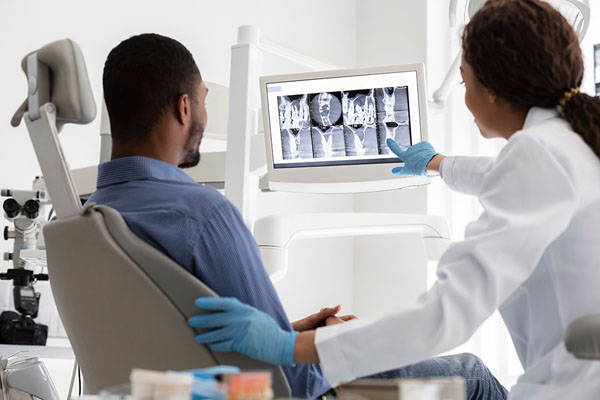
Many people put off an appointment because they don’t know what to expect. A TMJ evaluation with a dentist is straightforward and non-invasive. It typically includes:
- A Conversation About Your Symptoms: When the clicking started, whether it hurts, how it affects eating and sleeping, and whether you’ve had injuries, dental work, or periods of high stress.
- A Look at Your Jaw Movement: Your dentist watches how far your mouth opens, whether your jaw moves smoothly or deviates, and whether the joint clicks, pops, or catches.
- A Gentle Exam of the Joints and Muscles: Tender or tight spots in the jaw, temples, and neck can point to muscle-related causes.
- A bite and tooth assessment: Worn enamel, fractured teeth, and uneven contact between your upper and lower teeth can show whether grinding or a bite issue is contributing.
- Imaging When It’s Needed: If the exam suggests a joint problem that needs a closer look, your dentist may recommend imaging to see the structures more clearly.
Afterward, you’ll get a clear explanation of what’s going on and a recommended plan. If your symptoms point to something outside the scope of dental care, your dentist can refer you to the right provider.
TMJ Treatment Options: Starting With Conservative Care
For most patients, treatment starts with gentle, conservative approaches before anything more involved is considered. Depending on your evaluation, your dentist may discuss:
- Self-care adjustments, such as a softer diet for a while, avoiding gum and very chewy foods, and not opening your mouth extremely wide
- Heat or cold therapy to calm sore jaw muscles
- Jaw relaxation and stretching exercises to improve movement and reduce tension
- Stress management, since stress often feeds clenching
- A custom oral appliance or night guard to protect your teeth and reduce strain on the joint from grinding and clenching
- Bite-related care when uneven contact is part of the problem
- Medication or other therapies as advised, and referrals for services such as physical therapy when appropriate
The goal is to relieve pain, protect your teeth, and help your jaw work comfortably again. Learn more about the benefits of TMJ treatment, or review what affects the cost of TMJ treatment.
What You Can Do at Home Right Now
While you’re deciding whether to book a visit, a few habits can take pressure off your jaw, especially during busy fall weeks full of football tailgates, stressful schedules, and Halloween candy:
- Keep your teeth slightly apart and your tongue resting gently on the roof of your mouth when you’re not eating
- Skip sticky, chewy, or hard treats such as taffy, caramel, and hard candy
- Limit gum chewing
- Cut food into smaller pieces and avoid biting into large items
- Support your jaw with your hand when you yawn widely
- Notice whether you clench during stressful moments, driving, or screen time, and consciously relax your jaw
- Take short breaks from your phone or computer to reset your posture
These steps can help, but they don’t replace a professional evaluation if your symptoms persist.
When Jaw Problems Need Urgent Attention
Seek prompt care if your jaw is stuck and you cannot open or close your mouth, if your jaw looks out of place after an injury, or if you have severe facial pain with swelling or fever. In an emergency, go to the nearest urgent care or emergency room.
Schedule Your TMJ Evaluation with a Knoxville Dentist Today
Don’t let a clicking, aching, or tight jaw become your new normal. If you’re searching for a TMJ dentist in Knoxville, Dr. Niral Patel and the Fountain City Smiles team are ready to help you find answers and relief.
Contact our Knoxville dental practice at (865) 687-8670 to book your visit. Fountain City Smiles is located at 2944 Tazewell Pike #2, Knoxville, TN 37918. Proudly welcoming patients from Dry Gap, Marble City, Dutch Valley, Whispering Hills, and West Knoxville, TN.
This article is for general educational purposes and is not a substitute for professional dental or medical advice.